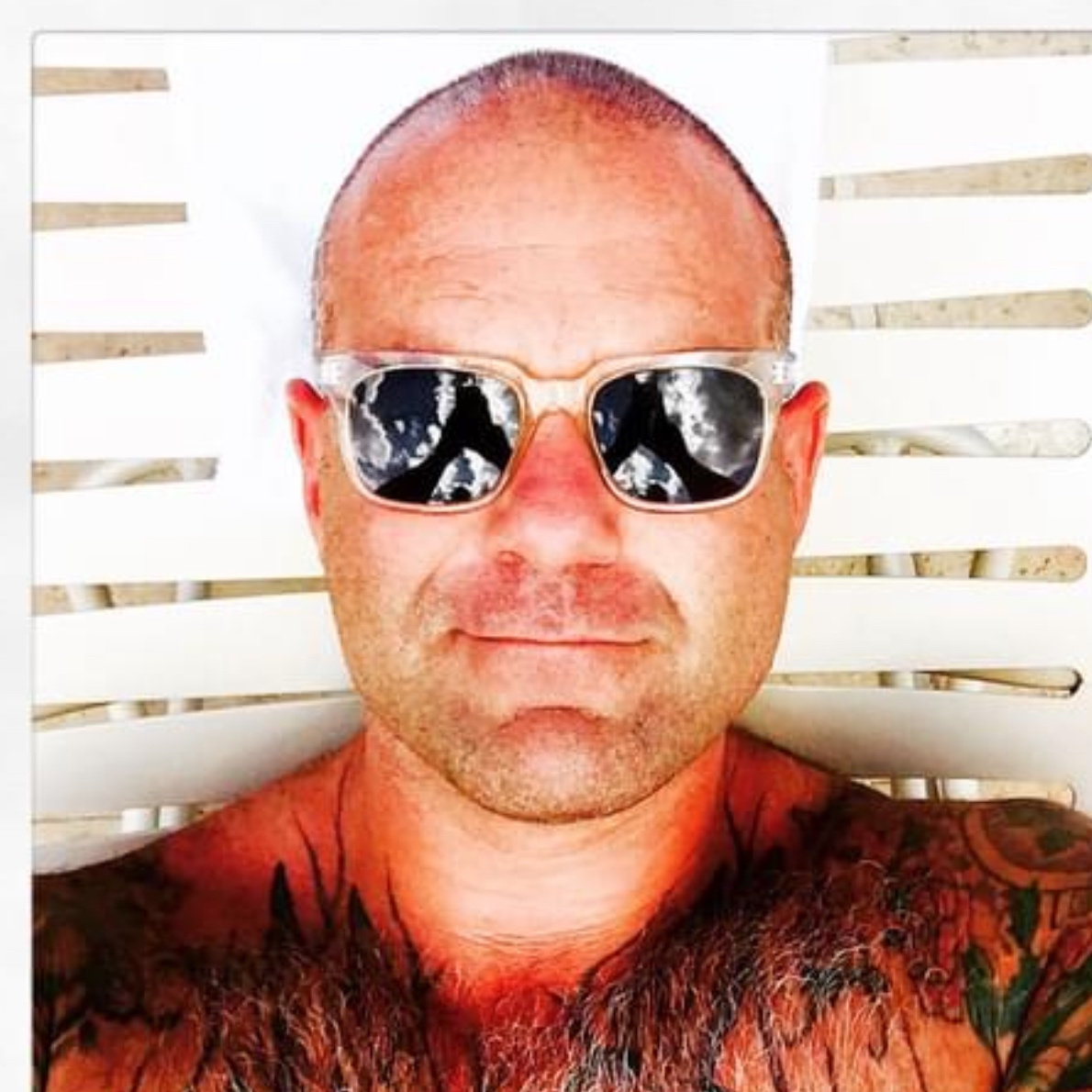
My name is Burk Jackson. I've been in recovery for 31 years, and I'll be honest with you — it hasn't been a straight line. I've made mistakes. I've stumbled. I've had moments where I wasn't sure I'd make it through. I'm not going to pretend otherwise, because pretending otherwise isn't why I'm here.
But here's the one thing I've never stopped doing, not once in three decades: staying connected with other people in recovery.
That might sound simple. It wasn't always.
There were stretches in my earlier years where I was traveling overseas for months at a time — long before smartphones, before laptops were in every bag, before you could pull up a meeting list or send a message to someone from a cafe in a city where you didn't speak the language. I'm talking about payphones, calling cards, internet cafes, showing up at a random room in a foreign country, and hoping someone inside would understand what I was there for. And they always did. Because people in recovery speak a language that doesn't require translation.
I did all of that because I had learned something that I couldn't unlearn: connection is the antidote to addiction. It's not a feature of recovery. It's the foundation. Everything else — the work, the growth, the hard-won peace — gets built on top of that. Take it away, and the whole thing gets shaky in a hurry.
Thirty-one years later, I still believe that more than I believe almost anything else.
I've stayed active in the recovery community the whole time, in person and online. And it was in those online spaces, a few years ago, that I started seeing something that I couldn't shake loose from my head. Over and over, in different groups and forums and comment threads, I'd find people talking honestly about their recovery — sharing something they were going through, a fear they couldn't voice anywhere else, a win that deserved to be celebrated, a moment that was pulling them under — and then saying some version of the same thing:
I don't have anyone to talk to about this.
Not a sponsor they felt comfortable calling. Not a friend who'd really understand. Not a family member who wouldn't panic or judge or make it about themselves. Just — no one. Alone with whatever they were carrying.
That hit me somewhere deep, because I know what that particular kind of loneliness feels like. I know what it can quietly do to a person over time. And I know how different everything looks when there's even one person on the other end who gets it — not theoretically, not clinically, but from the inside out, because they've lived something close to what you're living.
I started bringing it up to people I knew. "Someone should really do something about this gap." I said it enough times that my friends were probably tired of hearing it. And then one day, the obvious question finally landed: why was I waiting for someone else? What was I actually waiting for?
So I built RecoveryBridge.
Not a hotline. Not a clinical program. Not another app that tracks your days sober and sends you motivational notifications. RecoveryBridge is simpler and more human than any of that. It's a place where someone who's struggling — or celebrating, or just needs to say something out loud to another person who will understand — can reach out and be connected with someone who has walked a similar road. Someone with real lived experience. Someone who's been in the dark and found their way back. Someone who knows what it means to white-knuckle through a hard day, and also what it feels like when the hard days start getting fewer and further between.
I built it to be intentionally program-agnostic, because recovery looks different for different people, and I wanted everyone to feel like they had a place here. It doesn't matter what path brought you to recovery or what path is keeping you there. There's no hierarchy, no right way, no gatekeeping. What matters is that you're on the path — and that you don't have to walk it alone.
The platform works in both directions, and that's important to me. Because I know from my own experience that giving back is just as essential as reaching out. There's something that happens when you sit with someone who's struggling and you can honestly say, "I've been there" — something that helps them and, quietly, helps you too. If you're in a place in your recovery where you have something to offer, RecoveryBridge needs you. The people who are going to show up looking for connection need you.
This is what I kept wishing had existed when I was white-knuckling it through hard stretches without the tools we have now. It's what I kept wishing I could point people to when I saw them reaching out into the void online and finding nothing but silence.
Now it exists. And it only becomes what it's supposed to be if people show up.
If you're struggling right now — if you're carrying something you haven't been able to say out loud, if you're in a moment where the distance between you and another human being who understands feels impossible to cross — come find us at RecoveryBridge. That's exactly what it's there for.
And if you're in a good place, and you've got some road behind you, and you're ready to be that person for someone else — we need you just as much. More, maybe.
Come walk this with us.