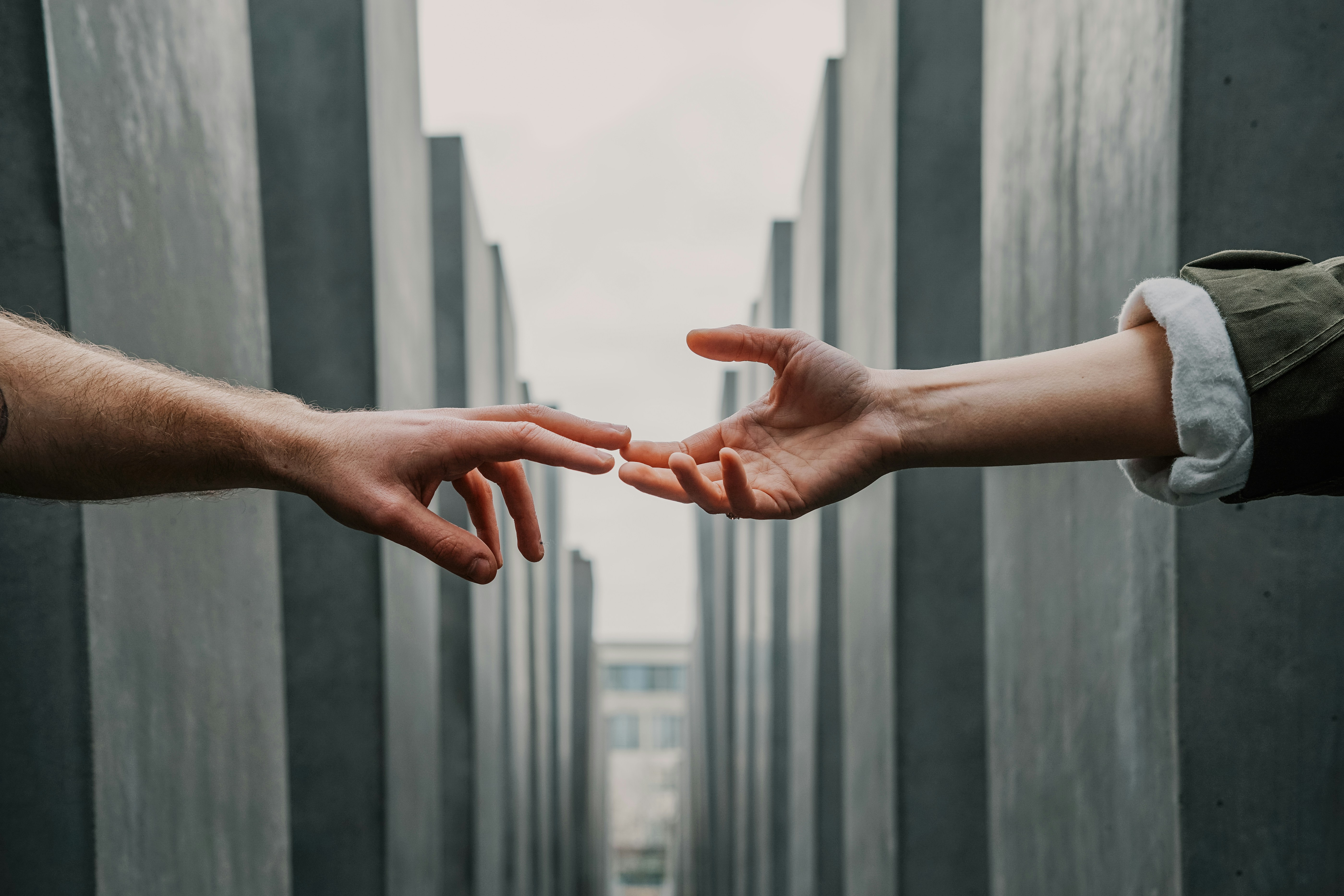
Nobody talks about Tuesday afternoon. They talk about rock bottom. They talk about surrender, about the moment you finally raise your hand in a meeting room and say your name. They talk about anniversaries and milestones — one day, one month, one year, thirty-one years. The big moments have language, ceremony, witnesses. But Tuesday afternoon doesn't have any of that. It's 3:47pm and the meeting ended a few hours ago. The next one doesn't start until seven. The phone feels too heavy to pick up. Not because you're in crisis — you're not. You're not going to use. You're not on a ledge. You just feel like something has come untethered inside you, and the tools that usually work are sitting somewhere just out of reach, and the silence in your apartment is doing that thing it does. That space — between where you are and where the next meeting starts — is where a lot of recovery actually happens. Or doesn't. I've been sober since October 20, 1994. Thirty-one years. And I can tell you with complete honesty that some of the most important moments of my recovery didn't happen in a meeting room or a therapist's office. They happened in exactly that kind of ordinary, unnamed hour. The 11pm that didn't feel like a 911 call but didn't feel survivable alone either. The Sunday morning that stretched out too long. The Tuesday afternoon that just sat there, waiting. What got me through those hours wasn't clinical. It wasn't a hotline or a protocol. It was another human being — someone who had been exactly where I was and came out the other side — who picked up the phone or sat across from me and said, without flinching: I know what this is. I've been here. There's something that happens in that exchange that no amount of training can replicate. When someone with lived experience shows up for you — really shows up, not as a counselor or a case manager, but as a person who has genuinely walked this road — something relaxes in you. You stop performing. You stop trying to frame your struggle in a way that makes sense to someone who hasn't felt it. You can just say: it's Tuesday afternoon and I don't know why I feel like this. And they'll say: yeah. Me too, once. Here's what I did. That's peer connection. And for a lot of people in recovery, it's the thing that fills the gap nothing else can reach. I've been thinking about that gap for years. Not as a problem to solve, but as something to honor. Because the gap is real. Recovery doesn't punch a clock. The hard moments don't schedule themselves around business hours or meeting times. They show up in the margins of ordinary days, when the formal structures of support are closed or unavailable or just feel too clinical for what you're actually experiencing. And here's what I've learned: the people who most need to be in that gap aren't professionals. They're people like the ones reading this. People who know what a Tuesday afternoon can do to you. People who have sat with that particular silence and figured out how to keep going. That knowledge — the knowledge that comes from having been there — is one of the most powerful resources in recovery. And for too long, it's been informal. Accidental. Dependent on whether you happen to know the right person at the right time. I built something to change that. RecoveryBridge (recoverybridge.app) connects people in those vulnerable, ordinary moments with peers who have real lived experience. One-on-one. Confidential. No clinical layer, no intake form, no waitlist. Just a human being who has been where you are, available when the gap shows up. But more than what I built, I want to talk about what this means for both sides of that connection. Because here's the thing that surprised me: showing up for someone else in their Tuesday afternoon does something profound for your own recovery. There's a kind of healing that only happens when you become the person who shows up. When you take everything you learned from your own darkness and offer it to someone who's still in theirs. It closes a loop. It gives meaning to the hard parts of your story. The people who volunteer as peers — who answer that call, who sit with someone in that unnamed hour — they'll tell you: it's not charity. It's not one person saving another. It's two people in recovery, each one holding the other up in a slightly different way. If you're someone who has been in recovery long enough to know what a Tuesday afternoon feels like from the other side — if you've survived those hours and built a life you're proud of — you already have something invaluable. You have the kind of knowledge that can't be credentialed or measured. It lives in your body and your history and your specific, particular journey. Someone out there is in the middle of their Tuesday afternoon right now. Not in crisis. Not okay. Just in that space where the tools feel out of reach and the silence is doing its thing. You know what that's like. And that's enough. That's everything. — Burk Jackson is the founder of RecoveryBridge (recoverybridge.app), a peer support platform connecting people in recovery with peers who have lived experience for free, confidential one-on-one conversations. He has been in recovery since October 20, 1994.
What Happens Between the Meetings
Nobody talks about Tuesday afternoon. They talk about rock bottom. They talk about surrender, about the moment you finally raise your hand in a meeting room and say your name. They talk about anniversaries and milestones — one day, one month, one year, thirty-one years.
burkjackson
March 9, 2026 · 5 min read
Early RecoveryLong-Term Recovery
Share this story